
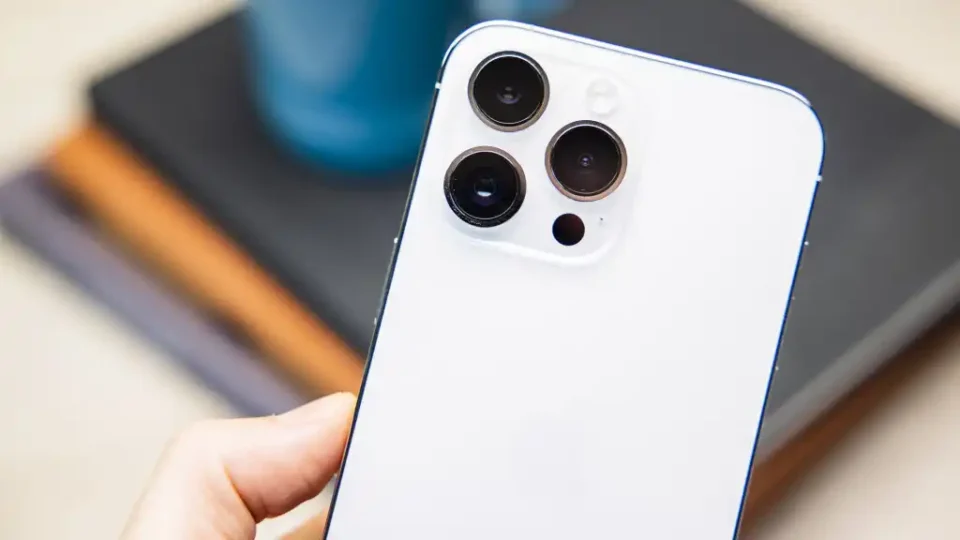
When most people think about renting technology, laptops and monitors usually come to mind first. Mobile handsets tend to be an afterthought, largely because most of us are used to owning our own phone outright or picking one up on a lengthy personal contract. But for businesses, iphone hire has quietly become one of the more useful tools in the flexible technology toolkit, solving problems that traditional procurement and personal contracts simply aren’t built to handle.
From product launches and trade show demonstrations to temporary staffing surges and app testing across multiple device generations, there’s a surprisingly wide range of scenarios where hiring handsets makes far more sense than buying them. This article explores why businesses are increasingly turning to short-term mobile hire, and what to think about before arranging it.
Why Standard Mobile Contracts Don’t Fit Every Business Need
The default way most organisations acquire mobile handsets is through a business contract with a network provider, typically running for twelve to twenty-four months per device. That model works well for permanent staff who need a phone as part of their everyday role. It works considerably less well for anything short-term, unpredictable, or specialised.
A few common friction points push businesses towards hiring instead:
- Contract length mismatch. A two-year contract makes no sense for a three-week product trial or a single event.
- Credit checks and administrative overhead. Adding new lines for temporary staff or short-term projects involves paperwork and approval processes that slow things down.
- Device consistency requirements. Some use cases need identical handsets across a group, which standard consumer contracts, taken out individually, don’t reliably provide.
- Testing across multiple models. Software developers and QA teams often need to test app behaviour across several iPhone generations simultaneously, something a personal contract model can’t practically support.
Arranging short-term handsets this way sidesteps each of these issues by decoupling the device from a long-term commitment, allowing businesses to access exactly what they need, for exactly the period required.
The Range of Businesses Using iPhone Rentals
The audience for iphone rentals is broader and more varied than it might first appear. A few of the more common use cases illustrate just how flexible the demand actually is:
Product launches and retail activations. Brands frequently need a batch of identical, current-generation handsets for demonstration purposes at launch events, trade shows, or in-store activations, often for a matter of days.
App developers and QA teams. Testing an application’s performance and compatibility across different iPhone models and iOS versions requires access to a range of handsets that most development teams don’t want to purchase and maintain permanently.
Events and conferences. Registration systems, digital ticketing, and interactive exhibition stands frequently rely on iPhones running specific apps, needed only for the duration of the event itself.
Temporary and seasonal staffing. Businesses that scale up customer-facing or field-based teams during peak periods often need to equip temporary staff with handsets quickly, without the administrative burden of new contracts for short-term employees.
Market research and field data collection. Teams gathering data via mobile apps in the field frequently need a fleet of identical devices for the duration of a research project, then have no ongoing need for them once data collection wraps up.
What Actually Happens When You Hire iPhones for Business Use
The mechanics of hiring handsets are generally more straightforward than businesses expect, particularly compared with the process of setting up new mobile contracts.
Specifying requirements. The business confirms how many devices are needed, which model and storage configuration, and whether any specific apps or configurations need to be pre-loaded.
Configuration. For business use cases involving demonstrations or field work, devices can often be pre-configured with the required apps installed and set up ready to hand straight to staff or use at an event.
Connectivity considerations. Depending on the use case, businesses may need SIM cards included as part of the hire, or may prefer to use devices on Wi-Fi only for demonstration purposes. This is worth clarifying upfront, as requirements vary significantly by use case.
Support during the hire period. If a device develops a fault during use, particularly during a live event or time-sensitive project, a fast turnaround for a replacement unit can be the difference between a minor inconvenience and a genuine operational problem.
Return and secure data wiping. At the end of the hire, devices are returned and undergo a thorough, documented wiping process, an important safeguard given how much personal and business data can pass through a mobile handset during even a short period of use.
Data Security: A Consideration Businesses Shouldn’t Overlook
Mobile handsets carry a particular data security dimension that’s worth flagging specifically. Unlike a laptop that might sit in a controlled office environment, phones move around, connect to varied networks, and often handle a mix of business apps, contact information, and sometimes customer data collected in the field.
Any business hiring handsets should confirm exactly what data protection measures are in place, both during the hire period and critically, at the point of return. A reputable provider should be able to demonstrate a clear, documented process for factory resetting and wiping devices between hires, in line with data protection obligations. This isn’t a box-ticking exercise; it’s a genuine safeguard against sensitive information persisting on a device that’s about to be handed to a different customer.
Getting Genuine Value From a Hire Arrangement
Businesses that get the most out of iPhone hire tend to think through a few practical details before committing to an agreement, rather than treating it as an afterthought booked at the last minute.
Confirm exact model and storage requirements upfront. App testing in particular can be sensitive to specific model differences, so vague specifications lead to mismatched equipment and wasted time.
Ask about bulk consistency. If the use case requires several identical devices, confirm the provider can guarantee matching models and configurations across the full batch, not just similar specifications.
Plan connectivity needs in advance. Whether devices need active SIM cards, specific network compatibility, or simply Wi-Fi access changes the setup requirements significantly, and sorting this out early avoids delays closer to the event or project start date.
Understand the replacement policy. For time-sensitive events, ask specifically how quickly a faulty device would be replaced, and whether that support is available outside standard business hours if the use case demands it.
Check the accessories included. Chargers, cases, and any peripherals needed for a specific use case, such as card readers for payment demonstrations, should be confirmed as part of the hire rather than assumed.
Why the Financial Case Holds Up
The cost logic behind hiring handsets mirrors the broader argument for technology rental generally, but with a few mobile-specific nuances. Handsets depreciate quickly, and a device purchased for a single event or short project will have lost a meaningful chunk of its value long before it’s used again, if it’s used again at all.
There’s also the administrative cost to consider. Setting up new mobile contracts, even temporary ones, involves credit checks, account management, and eventual cancellation processes that carry a genuine time cost for whoever manages procurement. Hiring removes that overhead entirely, replacing it with a single, time-bound agreement that ends cleanly when the project or event concludes.
For businesses running occasional, unpredictable, or highly specific mobile device needs, that combination of avoided depreciation and reduced administrative burden makes a compelling case for hiring over any form of ownership or long-term contract.
Planning Ahead for Peak Events and Launch Windows
Demand for handset hire, much like other forms of business technology rental, tends to cluster around predictable peak periods: major trade show seasons, festive retail activations, and the launch windows of new flagship models when businesses want the very latest device for demonstration purposes. Booking well ahead of these periods makes a genuine difference to the range of models and configurations available.
This is particularly relevant for businesses running recurring annual events, such as an industry trade show or seasonal retail campaign. Building handset hire into event planning from the outset, rather than treating it as a task to sort out in the final fortnight, tends to produce a smoother experience and considerably more room to negotiate on both specification and price.
It’s also worth considering whether a business’s mobile hire needs are genuinely one-off or likely to recur. Organisations running regular events, seasonal staffing surges, or ongoing app testing cycles may find it worthwhile to establish a standing relationship with a single provider, rather than sourcing hire arrangements fresh each time. A consistent relationship tends to speed up the booking process considerably once a provider already understands a business’s typical requirements and preferred configurations.
Balancing Cost, Convenience, and Control
As with any form of technology hire, the right decision ultimately depends on weighing up cost against convenience and the level of control a business needs over its devices. For most short-term, project-specific, or event-driven use cases, the convenience of hiring, paired with the avoided depreciation and administrative overhead, comfortably outweighs any marginal cost saving that might come from an alternative approach such as repurposing old company phones or asking staff to use personal devices.
That said, hiring isn’t automatically the right answer for every scenario. Businesses with a genuinely ongoing, predictable need for a stable set of handsets, used by the same staff over an extended period, may still find that a standard business mobile contract or outright purchase works out more cost-effective in the long run. The value of hire lies specifically in its ability to match provision precisely to short-term, variable, or highly specific requirements, not as a wholesale replacement for every form of mobile device procurement.
Final Thoughts
Hiring handsets for business use doesn’t get the same attention as laptop or AV equipment rental, but the underlying logic is exactly the same: match the acquisition method to the actual duration and nature of the need, rather than defaulting to long-term commitment because that’s simply how things have traditionally been done. For product launches, testing environments, temporary staffing, and events, iPhone hire offers a genuinely practical way to access current, reliable hardware without the baggage of contracts that were never designed for short-term, specific business use.
As businesses continue to run more project-based and event-driven activity, expect mobile device hire to become a more familiar line item in procurement planning, sitting comfortably alongside the laptop and AV hire arrangements that many organisations have already come to rely on.
